


Japan
Japan is one of the most respected countries in the world, known for its discipline, innovation, safety, culture, and strong work ethic. It is a country where tradition and modern technology exist together in perfect balance. From ancient temples and peaceful gardens to advanced transportation systems, world-class industries, and highly organized cities, Japan represents a unique model of progress, respect, and social harmony.

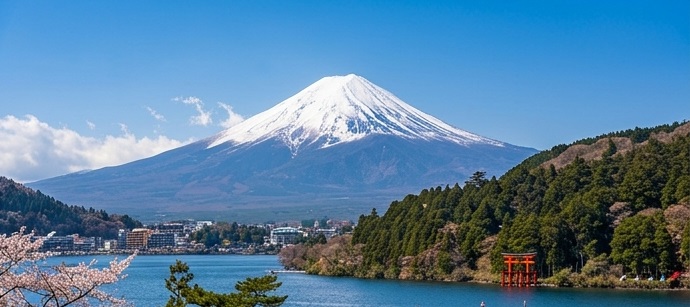
Japan is located in East Asia and is made up of thousands of islands. Its four main islands are Honshu, Hokkaido, Kyushu, and Shikoku. The country is surrounded by the sea, giving it a rich maritime culture, beautiful coastal landscapes, and a strong connection with nature. Japan experiences four clear seasons: spring, summer, autumn, and winter. Each season has its own beauty and importance in Japanese life. Spring is famous for cherry blossoms, summer for festivals, autumn for colorful leaves, and winter for snow-covered mountains and hot spring culture.
One of the strongest images of Japan is its culture of respect. Politeness, punctuality, cleanliness, responsibility, and teamwork are deeply valued in daily life. People are expected to respect time, follow rules, and think about others before acting. This social discipline can be seen everywhere: in public transport, workplaces, schools, roads, restaurants, and public spaces. Even in crowded cities, Japan maintains a high level of order and cleanliness.
Japan is also famous for its strong work culture. Japanese workplaces value sincerity, loyalty, continuous improvement, and quality. The concept of Kaizen, meaning continuous improvement, is widely practiced in business, manufacturing, education, and personal development. It teaches that small improvements made every day can create great results over time. Another important value is Omotenashi, the spirit of sincere hospitality. It means serving others with care, attention, and respect without expecting anything in return.
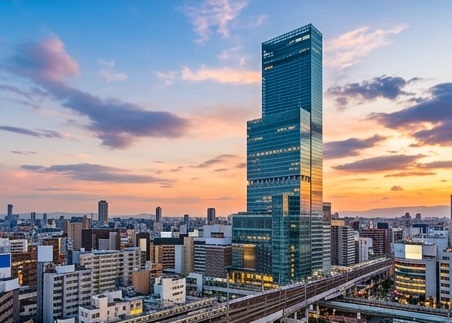
Technology and innovation are major strengths of Japan. The country is globally recognized for automobiles, electronics, robotics, machinery, construction technology, healthcare equipment, and high-quality manufacturing. Japanese products are trusted worldwide because of their durability, precision, and reliability. From bullet trains to advanced factory systems, Japan shows how careful planning, engineering excellence, and long-term thinking can build a modern society.
Japan’s cities are also known for convenience and safety. Tokyo, Osaka, Nagoya, Kyoto, Fukuoka, Sapporo, and other cities offer modern infrastructure, efficient public transport, clean streets, organized services, and a high standard of living. Public trains and buses are famous for being punctual and reliable. Safety is another major strength of Japan. It is considered one of the safest countries in the world, where people can travel, work, and live with confidence.
Education and skill development are highly valued in Japan. The country gives importance to discipline, practical learning, technical knowledge, and professional attitude. Whether in schools, training centers, universities, or companies, learning is seen as a lifelong process. Workers are encouraged to improve their skills, understand responsibilities, and contribute to society through honest work.
Japanese society also has a deep connection with nature and simplicity. Traditional Japanese architecture, gardens, tea culture, seasonal festivals, and food presentation all reflect balance, patience, and beauty. The Japanese idea of simplicity is not emptiness; it is a refined way of living with purpose, cleanliness, and calmness. This can be seen in Japanese homes, temples, workspaces, packaging, and design.

Food is another important part of Japan’s identity. Japanese cuisine is admired for its freshness, balance, presentation, and health benefits. Rice, fish, vegetables, noodles, soup, and seasonal ingredients are commonly used. Popular dishes such as sushi, ramen, tempura, udon, soba, curry rice, and bento meals are enjoyed worldwide. Food culture in Japan also reflects discipline, cleanliness, and respect for ingredients.
Japan is a country that teaches many valuable lessons to the world. It shows the importance of time management, honesty, teamwork, cleanliness, quality, patience, and continuous improvement. Its people have built a society where tradition is preserved while modern development continues. Japan’s success is not only because of technology or infrastructure, but also because of mindset, discipline, and commitment to excellence.
For anyone interested in understanding Japan, it is important to see the country not only as a place of advanced technology and beautiful culture, but also as a society built on responsibility, respect, and hard work. Japan continues to inspire the world with its ability to combine ancient values with modern progress. It is a country where every small action matters, every detail has meaning, and every person is expected to contribute positively to society.
In simple words, Japan is a land of discipline, innovation, culture, safety, and opportunity. It is a country where respect is practiced, quality is expected, and improvement never stops. This is what makes Japan truly special.